
Your Website Should Work as Hard as You Do
Your website is either making you money while you sleep, or it's just sitting there looking pretty and doing absolutely nothing for your bottom line.
Think about it.
Right now, while you're reading this, potential customers are landing on your website. They're scrolling, clicking, trying to figure out if you're the right fit for what they need. Some of them will become paying clients. Most of them won't. The difference? Whether your website is designed to actually convert visitors or just display information.
If your website is "just something people can read about my business," you're leaving serious money on the table.
I'm talking about qualified leads who are ready to buy but can't figure out how. Customers who would love your services but got confused and left. Revenue that should be yours but went to a competitor with a better website experience.
Here's what most business owners don't realize: your website isn't a digital brochure anymore. It hasn't been for years. Modern websites are interactive sales tools, customer service platforms, and brand experiences all rolled into one powerful asset. The businesses dominating your industry right now have figured this out. Their websites work 24/7 to attract the right visitors, convert them into qualified leads, and transform those leads into loyal customers who keep coming back.
Your website should be doing the same thing.
At SPYCE Media, we don't just build websites that look pretty. We engineer digital experiences that convert curiosity into confidence, and browsers into buyers. Here's exactly how strategic website design transforms your digital presence from a static brochure into a customer-generating machine.
The Problem with "Brochure Websites" (And Why Yours Might Be One)
You know what a brochure website looks like. It's static, information-heavy, and built for one purpose: showing people what you do. It's basically an online pamphlet with your logo, services list, and maybe some stock photos of people shaking hands in an office nobody actually works in.
These websites were fine in 2010. In 2025? They're actively hurting your business.
Here's exactly why brochure websites fail:
- Users expect interaction and personalization. When someone lands on your website, they're not looking for a wall of text about your company history. They want answers to their specific problems, and they want them now. A brochure site just sits there, offering the same generic information to everyone, regardless of what they actually need.
- SEO and analytics are usually ignored. Most brochure websites were built without any thought to search visibility or performance tracking. You have no idea how many people are visiting, where they're coming from, what they're looking at, or why they're leaving. You're flying blind with your digital presence.
- They don't guide users toward action. There's no clear path from "interested visitor" to "paying customer." People land on your website, read a bit, then leave because they don't know what to do next. No clear calls-to-action, no conversion optimization, no strategic user flow.
The result? You're missing leads every single day. Your engagement is weak. Your ROI on having a website at all is basically zero. You might as well not have a digital presence.
Here's my pro insight from years of building customer-focused websites: a website shouldn't just inform, it should influence.
Every element you use in your website should be strategically designed to move visitors closer to becoming customers.
What Makes a Modern Website Actually Convert and Retain Customers
Let's break down the difference between websites that convert and websites that collect dust. These elements aren't optional extras you can add later. They're the strategic foundation that transforms your website into a customer-generating engine.
-
User Experience That Anticipates What People Need
Think about the last time you visited a website and everything just made sense. You found what you needed in seconds. The navigation was intuitive. Every click felt purposeful. That's not an accident, that's strategic UX design.
Your website should have simple navigation with a clear hierarchy that guides people exactly where they need to go. Every single click should have a purpose, leading users naturally toward conversion. When someone lands on your homepage, they should immediately understand what you do, who you help, and what action they should take next.
If people have to think too hard about where to click or how to find information, you've already lost them. Remember, your competition is one click away.
-
Conversion-Optimized Design That Guides Action
Here's something most business owners don't realize: design isn't just about aesthetics. Every color choice, every button placement, every word in your copy should be strategically engineered to drive action.
Your CTAs need to be clear and compelling. Not "Learn More" or "Click Here," but specific, benefit-driven prompts like "Book Your Strategy Session" or "Get Your Custom Quote in 24 Hours." These tell people exactly what happens when they click and what value they'll receive.
Strong visuals combined with short, scannable copy create an experience that builds trust quickly. Your visitors are busy. They're probably looking at your website on their phone while doing three other things. Make it easy for them to understand your value and take action.
And speaking of mobile, if your website isn't mobile-first, you're automatically losing 73% of your potential customers. Mobile-first design isn't just responsive layouts. It's about creating an experience that performs equally well on every device, because that's where your customers actually are.
-
SEO and Content Strategy That Brings the Right People
What good is a beautiful, conversion-optimized website if nobody can find it? This is where strategic SEO and content planning come in.
Your website needs to be designed for search visibility from day one. That means proper website structure, optimized page speed, strategic keyword integration, and technical SEO that helps search engines understand and rank your content.
But here's where most businesses miss the opportunity: they think SEO is just about rankings. Real SEO is about creating educational, value-driven content that nurtures trust and positions you as the authority in your space. When someone searches for solutions to their problem and finds your helpful, insightful content, you're not just getting traffic. You're getting qualified leads who already see you as the expert.
-
Personalization and Retention Tools That Keep People Coming Back
Getting someone to visit your website once is great. Getting them to come back and eventually become a customer? That's where the real magic happens.
Modern websites integrate tools like CRM systems, live chat, and email capture to nurture relationships over time. Someone visits your website, downloads a helpful resource, and now you can continue the conversation through email marketing. They have a question at 2am, your live chat answers it instantly. These touchpoints build trust and keep you top of mind.
Plus, when you create repeat-visit content like blogs, resources, and tools that provide ongoing value, you're giving people reasons to come back even when they're not ready to buy. You're staying in their awareness, building authority, and positioning yourself as the obvious choice when they are ready to make a decision.
From Visitors to Leads: Understanding the Customer Journey Online
Let me walk you through how strategic website design supports every stage of the customer journey, because this is where everything comes together.
- Awareness Stage: Someone has a problem and starts searching for solutions. Your SEO and brand clarity help them find you. They land on your website and immediately understand what you do and who you help. You've captured their attention.
- Consideration Stage: Now they're exploring. Your educational content and smooth UX flow keep them engaged. They're reading your blog posts, checking out your services, learning about your approach. Each piece of content is strategically designed to answer their questions and build trust. Your website isn't just informing them, it's nurturing them toward a decision.
- Decision Stage: They're ready to take action. Your clear CTAs and trust indicators (testimonials, case studies, guarantees) give them the confidence to choose you. The path to conversion is obvious and frictionless. They book a call, request a quote, or make a purchase because you've made it easy and compelling.
- Loyalty Stage: The relationship doesn't end at conversion. Your ongoing value through blog updates, email newsletters, and helpful resources keeps them engaged. They become repeat customers and eventually brand advocates who refer others to you.
Remember: a visitor might come to your website looking for information, but with the right experience strategically designed into every touchpoint, they leave as a qualified lead ready to do business with you.
The ROI of a Customer-Focused Website Strategy
A strategically designed, customer-focused website delivers measurable returns across your entire business:
- Higher engagement: Visitors stay longer, explore more pages, and convert at significantly higher rates. According to Forrester Research, websites with clear conversion paths can increase lead generation by up to 200%. That's not a typo.
- Better retention: When your website delivers real value and creates positive experiences, satisfied users become repeat customers and brand advocates. They tell their friends. They leave reviews. They come back again and again.
- Smarter marketing: With proper analytics and automation built into your website, you can continuously refine performance based on real data. You're not guessing what works, you know what works, and you can double down on it.
- Sustainable growth: Here's the big difference between a strategic website and other marketing channels: unlike paid ads that stop working the moment you stop paying, a well-optimized website builds long-term value. It's an asset that appreciates over time, getting better and more valuable as you optimize and add content.
How Spyce Media Builds Websites That Go Beyond "Brochure Mode"
Our approach at Spyce is fundamentally different from typical web design agencies. We don't start with templates or trends. We start with understanding your business and your customers at a deep level.
- Discovery comes first. Before we design a single page, we uncover how your audience actually behaves, what their pain points are, and what goals they're trying to achieve. This research phase is where we identify the strategic opportunities most agencies miss.
- Strategic UX and SEO alignment. Every design choice we make is backed by data and intent. We're not making things look pretty for the sake of aesthetics. We're engineering user experiences that guide people toward conversion while simultaneously optimizing for search visibility.
- Custom development that scales. We build websites with functionality built in from day one, not slapped on as an afterthought. No templates. No cookie-cutter solutions. Just custom development that grows with your business.
- Results-driven optimization. Our relationship doesn't end at launch. We track performance, run tests, and make continuous improvements that drive better ROI over time. Your website gets smarter and more effective the longer it's live.
At Spyce Media, we don't just design websites. We engineer digital experiences that convert curiosity into confidence and visitors into loyal customers.
Real Businesses That Turned Their Websites Into Working Assets
A strategic website isn’t just a concept, it’s something we build every day for businesses that need their online presence to actually support growth, not just sit there and look good.
Here’s how three clients moved beyond “brochure mode” and saw meaningful improvements in clarity, trust, and conversions.
1. Tri-State Insurance Adjusters
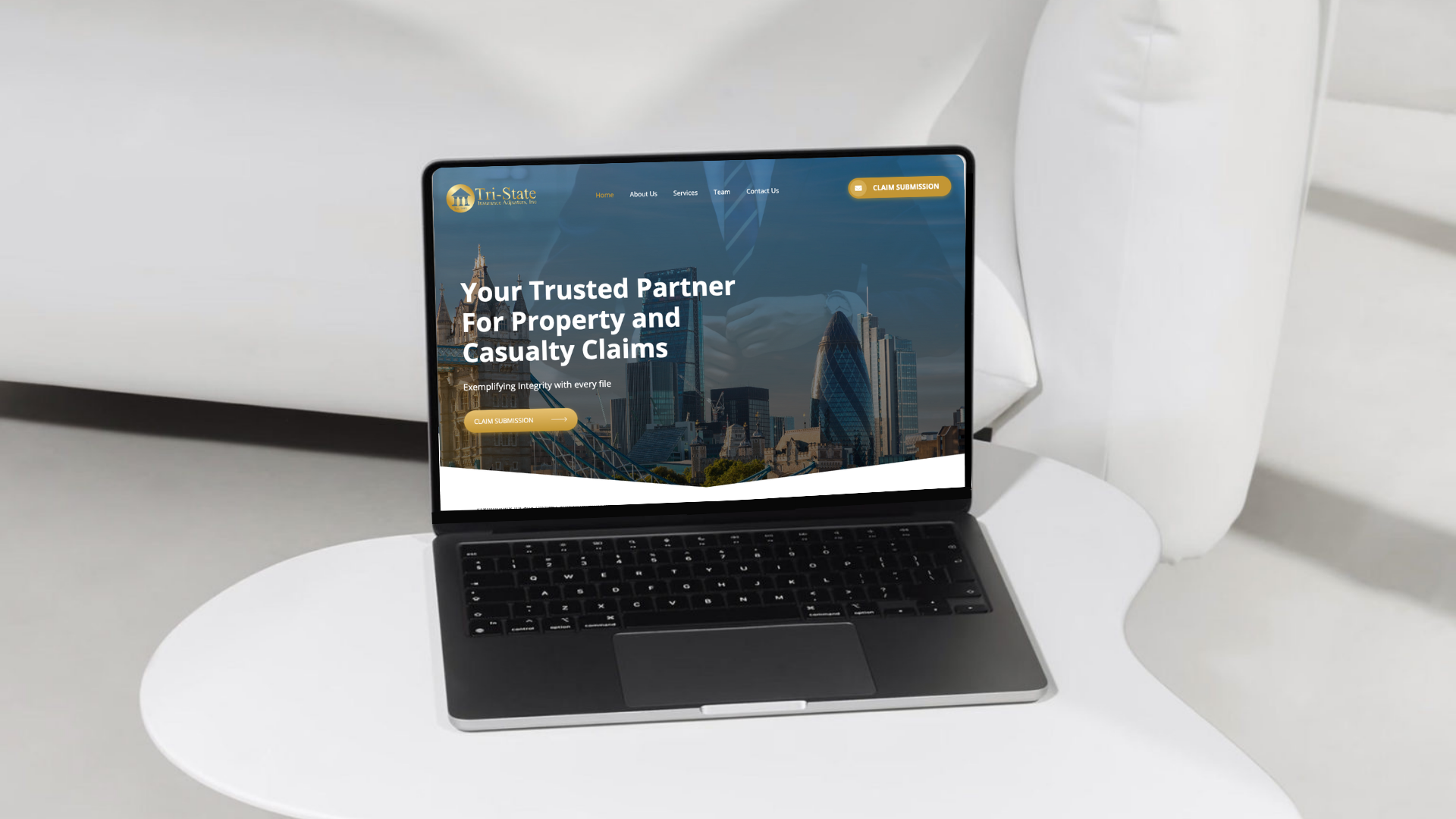
Tri-State had decades of experience and strong relationships in the insurance world but no website. And in an industry where credibility can make or break an opportunity, the lack of a professional online presence was quietly limiting their reach.
What we did:
- Built a clean, credible website that reflects their 30+ years of expertise
- Highlighted their work with the London Insurance Market
- Structured the website so brokers and coverholders can quickly understand their services
- Prioritized fast, mobile-friendly navigation
The result:
Tri-State now has a professional presence that builds trust instantly and gives partners a clear way to learn more and connect anytime, not just during business hours.
2. Opp Consulting
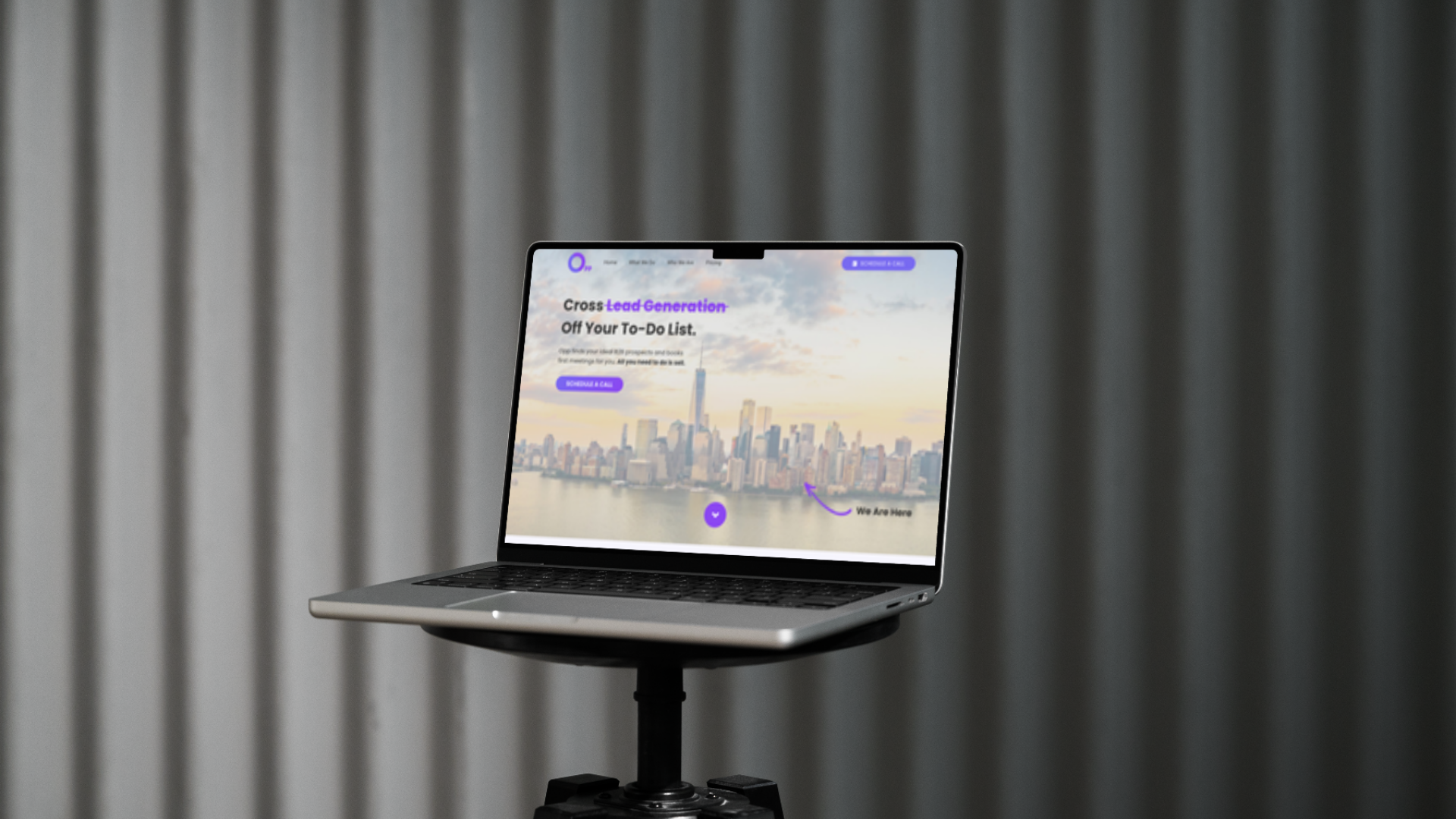
Opp is exceptional at generating leads for clients, but their website didn’t tell that story.
It lacked structure, clarity, and positioning making it harder for prospects to understand what made them different.
What we did:
- Rebuilt their messaging around clear, direct communication
- Organized content to match how decision-makers evaluate services
- Moved social proof and results front and center
- Designed intentional conversion paths that guide the next step
The result:
Opp now has a website that reflects the precision of their work, one that explains what they do, why it works, and how to get started without confusion or friction.
3. Atlas Container
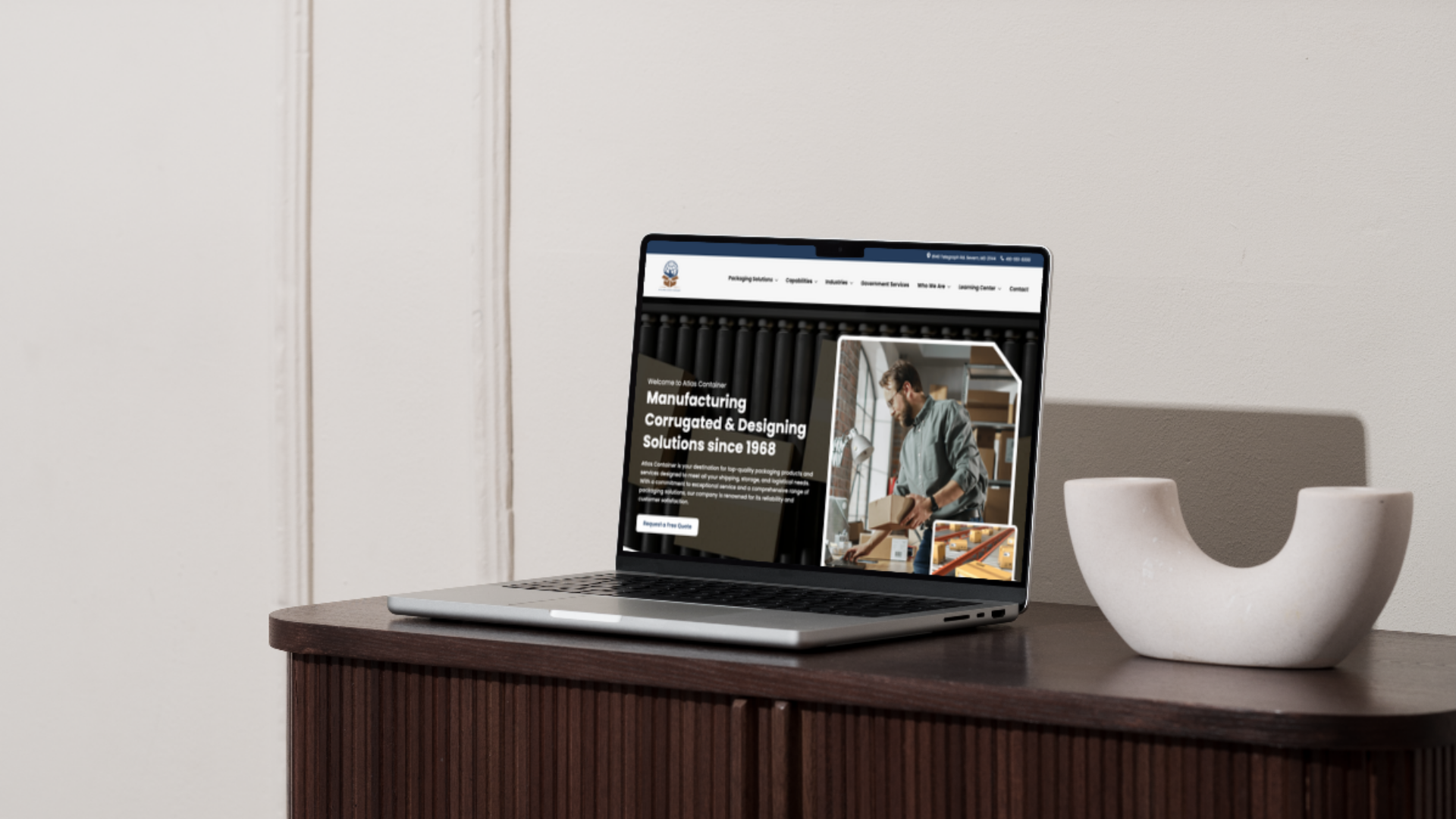
Atlas had strong capabilities and years of experience, but their old website didn’t show it.
The branding felt outdated, the navigation was clunky, and the messaging didn’t communicate their strengths.
What we did:
- Repositioned their brand as a packaging partner, not just a provider
- Highlighted their in-house design team and fast lead times
- Streamlined navigation so prospects can find services quickly
- Used real facility and team photos to build trust and authenticity
The result:
Atlas now has a website that matches the confidence and quality of their real-world operations making it easier for prospects to understand their capabilities and reach out with clarity.
The Pattern Is Simple
These businesses already had strong reputations and great results.
What they didn’t have was a website that communicated that clearly.
Once their messaging, structure, and design were rebuilt with intention, their websites became assets that support trust, clarity, and conversions not just places to display information.
Your Website Should Do More Than Look Good
Here's what I want you to take away from this: a great website doesn't just represent your business, it actively grows it. Every day, every hour, even while you sleep.
The difference between a brochure website and a strategic digital experience is the difference between having an online presence and having a growth engine. One just exists. The other works relentlessly to attract the right people, convert them into customers, and keep them coming back.
Strategic, customer-focused design transforms browsers into buyers and buyers into loyal advocates who fuel your long-term growth.
The question isn't whether you can afford to invest in a proper website. The question is whether you can afford to keep losing customers to a website that's not working for you.
Ready to turn your website into a growth engine? Let SPYCE Media help you design a website that attracts, converts, and keeps customers coming back. Book your strategy session today.